
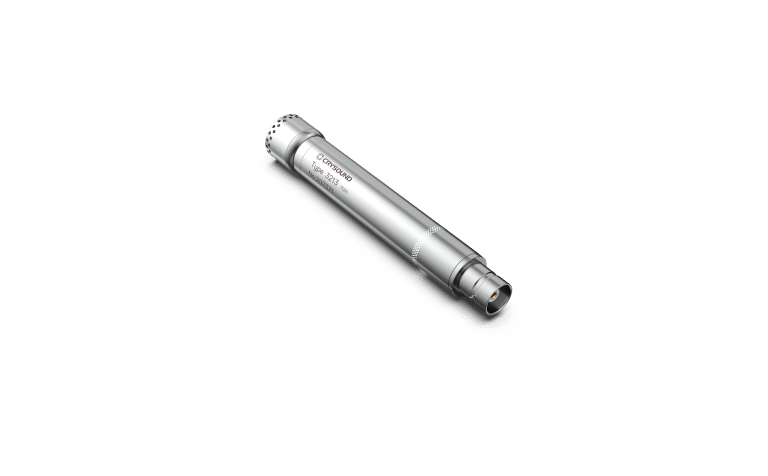
Measurement microphones are specialised instruments designed to capture sound with a high degree of accuracy. Unlike microphones intended for recording music or speech, their primary purpose is to provide a faithful and unbiased representation of sound pressure levels across a defined frequency range. This makes them essential tools in fields where precise acoustic data is required rather than aesthetic audio quality.
They are widely used in acoustics, audio engineering, environmental noise monitoring, product testing, and research. Their role is to support objective analysis, allowing sound to be measured, compared, and evaluated under controlled conditions.
How Measurement Microphones Differ From Standard Microphones
Standard microphones are often designed with a particular sound character in mind. They may emphasise certain frequencies or introduce subtle coloration to enhance clarity or warmth. Measurement microphones, by contrast, aim for a flat frequency response. This means they capture sound without intentional emphasis or attenuation across their operating range.
Another key difference lies in calibration. Measurement microphones are typically supplied with calibration data or certificates that allow users to apply correction curves. This ensures consistency between measurements taken at different times or using different units, which is critical in scientific and engineering contexts.
Common Uses in Acoustic Analysis
One of the primary applications of measurement microphones is room acoustics. Engineers and acousticians use them to assess reverberation time, frequency response, and sound distribution within spaces such as theatres, studios, offices, and lecture halls. The data gathered helps inform decisions about acoustic treatment and room design.
In loudspeaker testing, measurement microphones are used to analyse frequency response, distortion, and directivity. Manufacturers and installers rely on these measurements to ensure systems perform as intended and meet specified standards.
Environmental noise monitoring is another important use case. Measurement microphones are deployed to assess noise pollution levels near roads, construction sites, industrial facilities, and residential areas. The resulting data supports compliance with regulations and informs mitigation strategies.
Accuracy, Sensitivity, and Frequency Response
Three characteristics are particularly important when discussing measurement microphones: accuracy, sensitivity, and frequency response.
Accuracy refers to how closely the microphone’s output represents the actual sound pressure level. This is influenced by manufacturing tolerances, calibration, and environmental factors such as temperature and humidity.
Sensitivity determines how effectively the microphone converts sound pressure into an electrical signal. A known and stable sensitivity is essential for converting measurements into meaningful units such as decibels.
Frequency response describes how evenly the microphone responds across different frequencies. A flat response ensures that no part of the audible spectrum is disproportionately represented, which is crucial for reliable analysis.
Integration With Measurement Systems
Measurement microphones are rarely used in isolation. They are typically part of a wider system that includes preamplifiers, audio interfaces, data acquisition hardware, and analysis software. Compatibility between components is important to avoid introducing errors or noise into the measurement chain.
Software tools process the captured data to generate visualisations such as frequency response graphs, spectrograms, and impulse responses. These outputs allow engineers to interpret results and make informed decisions based on objective evidence rather than subjective listening alone.
Standards and Calibration Practices
Many applications involving measurement microphones are governed by international standards. These standards define acceptable tolerances, calibration procedures, and testing methodologies. Regular calibration is a key requirement, ensuring that measurements remain reliable over time.
Calibration can be performed using dedicated acoustic calibrators or by comparison against reference microphones in controlled environments. Documentation of calibration results is often necessary, particularly in regulatory or research settings.
Considerations When Selecting a Measurement Microphone
Selecting an appropriate measurement microphone depends on the intended application. Factors to consider include required frequency range, maximum sound pressure level, environmental conditions, and compatibility with existing equipment.
For example, microphones used in high-level industrial noise measurement must withstand higher sound pressure levels than those used for room acoustics. Similarly, outdoor monitoring may require weather-resistant designs.
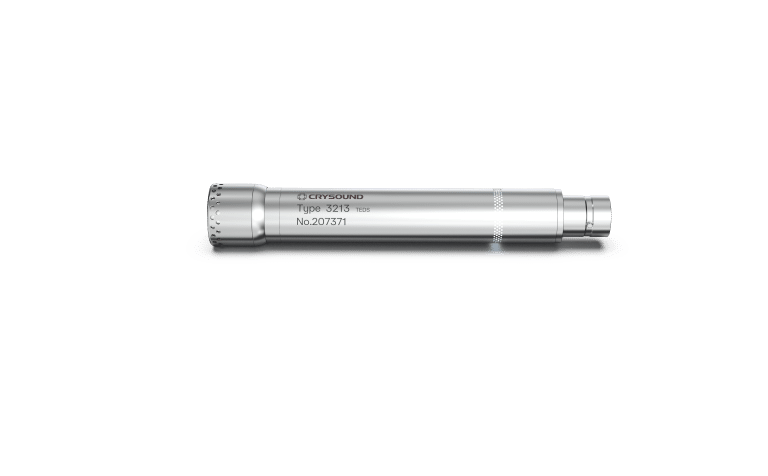
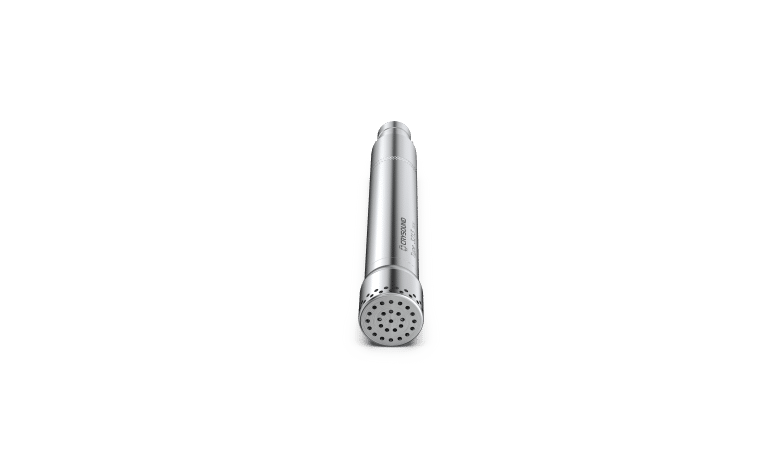
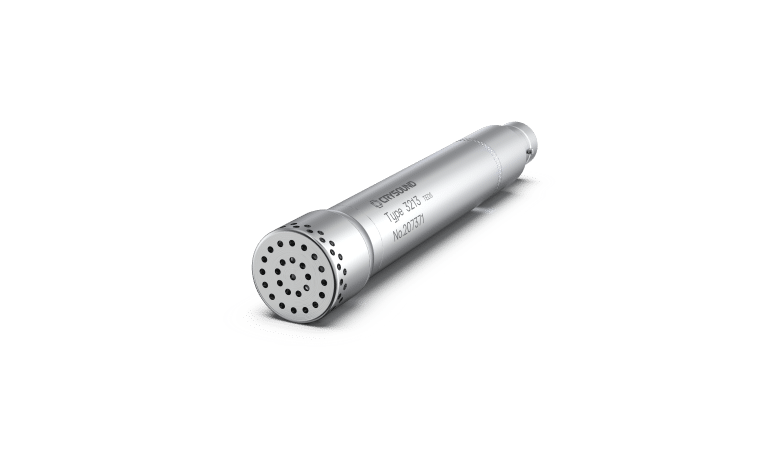
Within technical documentation and equipment lists, specific models are sometimes referenced, such as the Crysound CRY3213 measurement microphone, to illustrate the type of instrument used in professional measurement contexts rather than to imply suitability for all applications.
The Role of Measurement Microphones in Objective Sound Evaluation
Measurement microphones play a central role in transforming sound into quantifiable data. By providing accurate and repeatable measurements, they support informed decision making across engineering, research, and regulatory disciplines.
Their value lies not in how sound is perceived, but in how precisely it can be measured and analysed. As long as sound remains a factor in design, compliance, and performance evaluation, measurement microphones will continue to be an essential component of acoustic practice.