
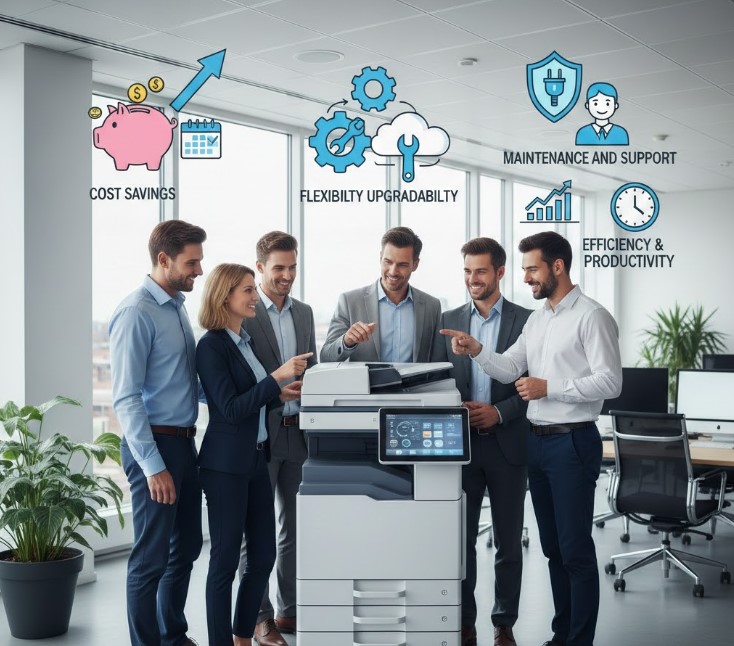
Photocopiers remain an essential part of office operations across London, supporting day to day tasks such as document handling, administration, correspondence and record keeping. As workplaces continue to rely on printing, scanning and copying in various forms, many organisations are deciding not to purchase equipment outright, but instead to lease it.
This approach allows businesses to manage costs more effectively and maintain access to up to date technology without committing large amounts of capital. Understanding why companies choose to lease photocopiers in London requires looking at both the financial and practical considerations that influence modern office planning.
The Financial Structure of Leasing
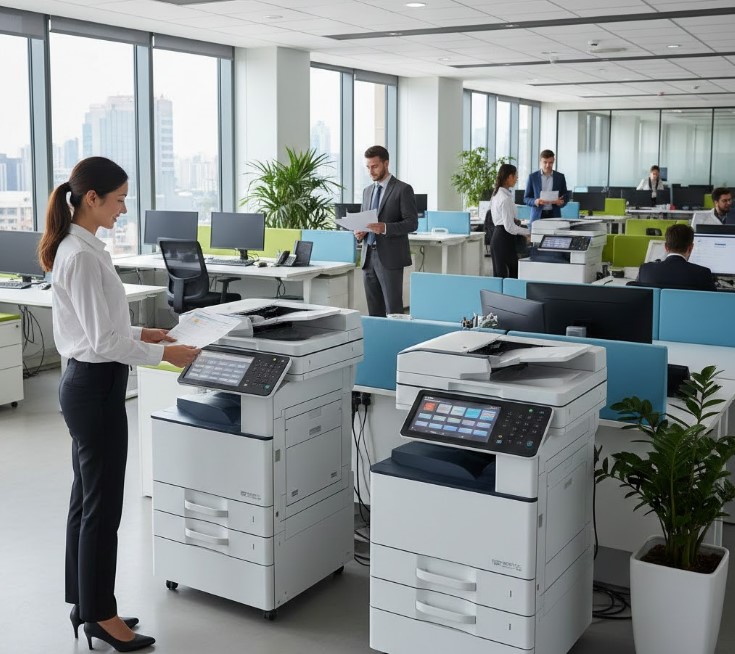
Leasing a photocopier spreads the cost over time, turning a large upfront purchase into predictable monthly payments. This model is attractive to businesses that wish to preserve cash flow or allocate funds to other priorities such as staffing, marketing or technology development. In a competitive city such as London, where operational expenses can be high, maintaining liquidity often supports stability and growth.
Leasing also makes it easier to forecast printing and copying expenses. Agreements usually include maintenance, servicing and support, which prevents unexpected repair costs from disrupting financial planning. For teams that rely heavily on photocopiers, this predictability ensures that essential equipment remains operational without the risk of sudden and costly breakdowns.
Access to Modern Technology
Photocopier technology evolves quickly. Newer devices offer better energy efficiency, enhanced security functions, faster printing speeds and improved connectivity with cloud systems and office networks. Buying a photocopier can tie a business to a single model for several years, even as more advanced equipment becomes available. Leasing avoids this issue by making upgrades more accessible.
Businesses can replace ageing devices with newer models at the end of a lease term, or sometimes during it, depending on the agreement. This ensures that the equipment used in the workplace remains aligned with modern requirements. For example, many companies now need integrated scanning solutions, secure document handling or compatibility with remote working platforms. Leasing supports this level of adaptability because it does not limit a business to long term ownership of outdated technology.
Operational Reliability and Maintenance
Another advantage of leasing is the inclusion of service support. Photocopiers require regular maintenance to perform at their best. Toner changes, drum replacements, software updates and mechanical repairs all form part of ongoing use. When businesses own their equipment outright, these responsibilities often fall on internal staff or require external engineers at an additional cost.
Leasing typically includes servicing, repairs and technical assistance. This ensures that issues are resolved quickly and professionally, reducing downtime and maintaining productivity. In a busy office environment, efficient support can make a considerable difference to workflow, especially when the photocopier is central to daily operations.
Suitability for Different Business Sizes
The flexibility of leasing makes it suitable for a wide range of businesses. Startups and small organisations benefit from avoiding large initial expenses and gaining access to equipment that would otherwise be difficult to afford. Medium sized firms appreciate the predictability and scalability of leasing as their operational needs grow. Larger companies value the ability to deploy multiple devices across various departments without committing capital to a large fleet of equipment.
London’s business landscape is diverse, with companies operating in finance, legal services, education, healthcare, property management and creative industries. Each of these sectors has different printing and copying requirements, yet all can benefit from a leasing model that adapts to their individual needs.
Environmental and Efficiency Considerations
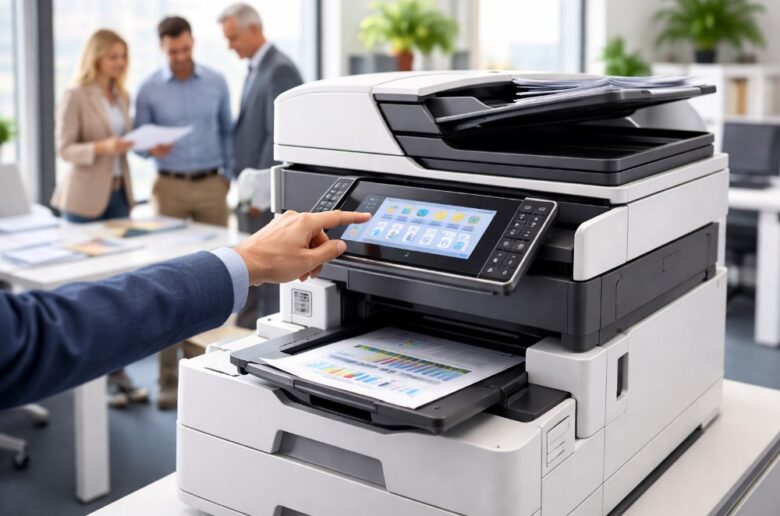
Modern photocopiers often include energy saving features and sustainability measures. Leasing allows businesses to adopt these improvements more quickly than if they were tied to older purchased equipment. Newer models typically use less power, generate less waste and support recycling of consumables. As many companies adopt environmental policies and aim to reduce their carbon footprint, leasing makes it easier to align office technology with these goals.
Efficiency is also improved. Faster printing speeds, more reliable scanning and integrated document management tools help staff complete tasks more quickly. For organisations with client facing responsibilities or large volumes of administrative work, these efficiencies contribute to smoother operations.
Choosing the Right Provider
When deciding to lease a photocopier, businesses consider factors such as agreement length, included services, upgrade options, and manufacturer choices. Clear terms and responsive support play a significant role in overall satisfaction. A leasing arrangement should match the organisation’s printing volume, technological needs and budget structure.
An example of where businesses may look for such arrangements is lease photocopiers in London, which illustrates how leasing providers present their services and equipment options for different commercial requirements.
A Practical Approach to Office Planning
Leasing photocopiers continues to appeal to London businesses because it offers flexibility, reduces financial strain, and ensures ongoing access to reliable and modern equipment. It shifts the responsibility for maintenance to the provider, supports operational efficiency and adapts to changes within the organisation. As businesses continue to balance cost control with performance demands, leasing remains a practical option that allows offices to function confidently, efficiently and without the long term limitations of ownership.