
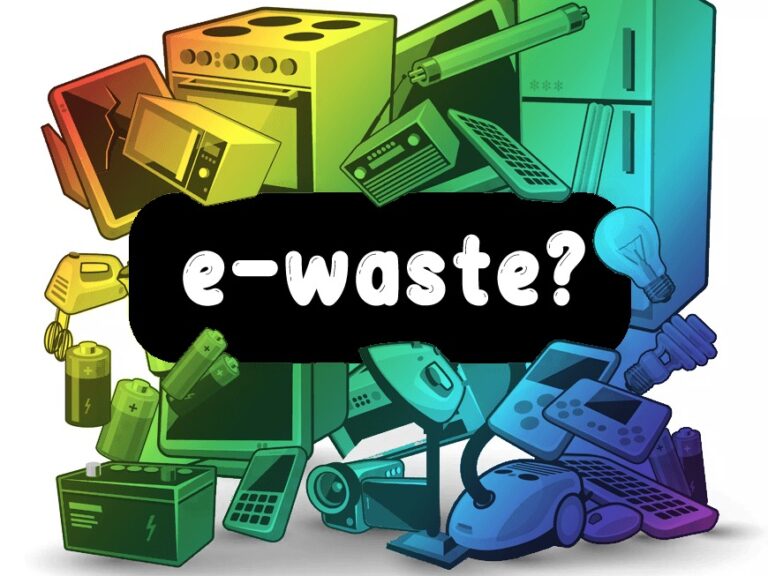
Electronic waste has become one of the fastest-growing waste streams globally.
Discarded televisions, computers, mobile phones, kitchen appliances and other electrical items may still contain valuable recoverable materials and, if improperly handled, hazardous substances.
Effective management of electronic waste is therefore critical to reduce environmental harm, conserve resources and comply with regulatory obligations.
The concept of WEEE recycling plays a central role in this process.
What Is WEEE?
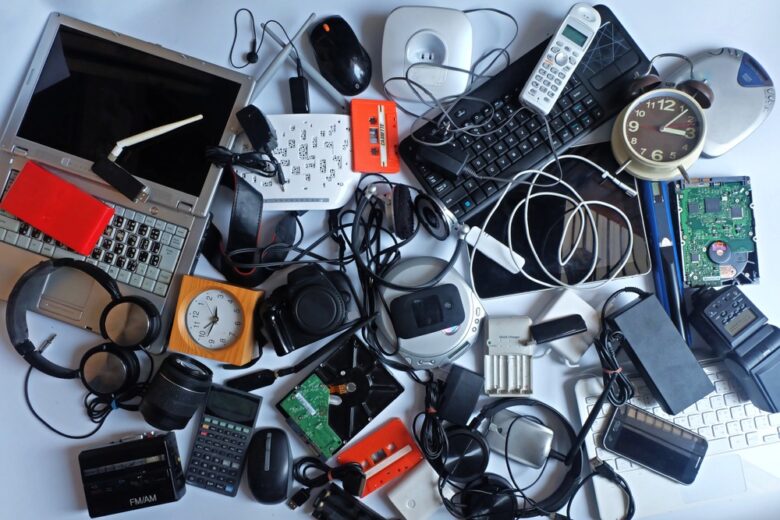
WEEE stands for Waste Electrical and Electronic Equipment. The term refers to any electrical or electronic device that has reached its end of life or is no longer wanted.
WEEE includes a diverse array of products, ranging from large household appliances such as refrigerators, washing and dryer and ovens, to smaller devices like laptops, tablets, light fittings and power tools.
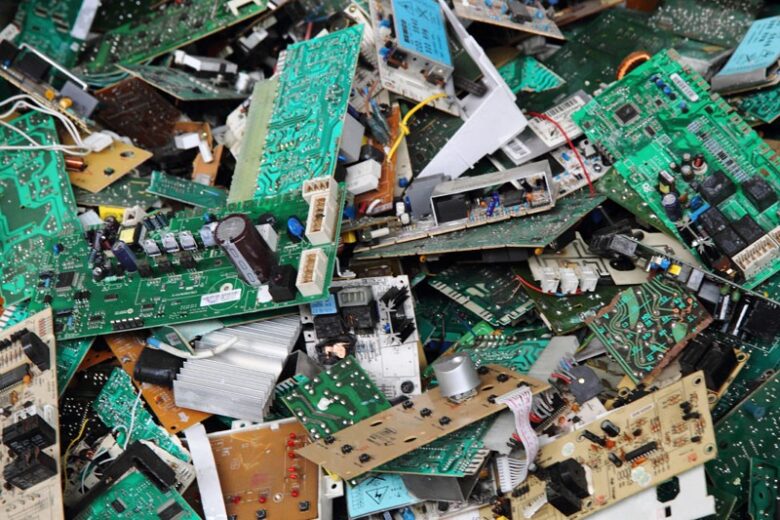
Many of these items contain metals such as copper, aluminium and precious metals, as well as plastics and glass.
Some devices also have components that can be harmful to human health or the environment if released, such as mercury, lead, cadmium or certain flame retardants.
Why Proper Recycling Matters
When electronic devices are disposed of in general waste, they often end up in landfill or incineration.
Landfill disposal risks leaching of heavy metals into soil and groundwater. Incineration may release toxic substances into air.
Beyond the environmental hazards, such disposal wastes the potentially recoverable materials inside the devices.
Recycling WEEE ensures these resources—metals, plastics and glass—are recovered and re-used, reducing the demand for virgin materials.
It also ensures hazardous components are treated safely. This reduces the environmental footprint of electronics throughout their lifecycle and supports a more circular economy.
Regulation and Responsibilities
In many jurisdictions, including the United Kingdom and the European Union, producers and importers of electrical and electronic equipment are subject to extended producer responsibility (EPR).
Under this regulatory framework they must ensure that devices placed on the market are collected and recycled at end of life.
Consumers and businesses disposing of WEEE often have obligations too. Retailers may offer take-back schemes, and legally compliant recycling facilities must certify that devices are processed properly.
For organisations, compliance may require documentation of waste disposal, certificates of destruction and proof that e-waste has been handled by licensed operators.
The Process of WEEE Recycling
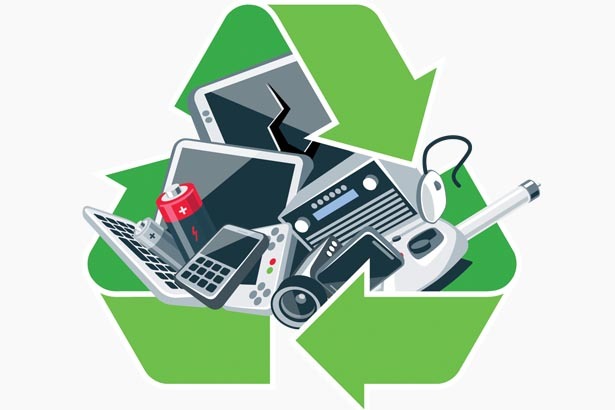
Proper WEEE recycling usually involves several key stages:
Collection and Separation
Devices are first collected—either via take-back schemes, public collection points or dedicated collection services.
Items are sorted by type (large appliances, IT equipment, lighting etc.) to facilitate appropriate treatment. Batteries, toner cartridges or other detachable hazardous components may be removed separately for specialised processing.
Treatment and Material Recovery
After sorting and dismantling, materials are processed to recover metals, plastics and glass.
Metals such as copper, aluminium and steel can be melted down and reused; precious metals like gold or palladium may be extracted from circuit boards.
Plastics are shredded, cleaned and processed for recycling. Hazardous components are treated under controlled conditions to neutralise or contain hazardous substances.
Data destruction may also be a step for IT equipment to protect personal or corporate information. Once processed, the recovered materials re-enter supply chains for manufacturing new units.
Environmental and Economic Benefits
The advantages of effective WEEE recycling are manifold. Environmentally, it reduces landfill and pollution, conserves natural resources and lowers energy consumption compared with manufacturing from virgin raw materials.
Economically, recycling reduces raw-material costs and provides sources of valuable secondary materials.
For businesses, compliant disposal reduces legal and reputational risk associated with improper waste handling.
For society, widespread recycling helps minimise the environmental impact of our growing reliance on electronics.
Challenges and Common Pitfalls
Despite its benefits, WEEE recycling faces challenges. One issue is that many devices are complex and contain mixed materials; dismantling them safely demands time, expertise and often specialised equipment. Another concern is consumer awareness and participation.
Many people may lack knowledge about where to dispose of old electronics or may simply discard them with general waste.
Data security is a further consideration with IT equipment: hard drives and memory modules often need secure erasure or physical destruction before recycling.
Finally, transporting and storing WEEE safely requires compliance with hazardous waste regulations, which may deter informal recyclers but is essential to prevent environmental harm.
How Individuals and Businesses Can Participate
Participation begins with awareness. When disposing of electronics, check whether retailers offer take-back services, or use local authority collection schemes.
Many local councils or licensed waste carriers offer collection of large appliances or bulk e-waste.
For businesses, working with certified WEEE recycling services ensures compliance and proper documentation.
Before disposal, remove batteries or detachable components that may require separate recycling.
For devices containing personal data, ensure data is securely deleted or drives physically destroyed.
Where possible, consider refurbishing or donating functional items to extend their useful life before recycling.
Organisations offering WEEE recycling services provide streamlined solutions for collection, handling and certification.
Using a trusted service simplifies compliance and ensures responsible treatment of all materials.
A comprehensive option for WEEE recycling may be found at a dedicated WEEE disposal and recycling service.
Conclusion
The disposal and recycling of waste electrical and electronic equipment is an essential component of sustainable waste management.
By ensuring that e-waste is collected, treated and recycled properly, we can mitigate environmental damage, recover valuable resources and adhere to regulatory obligations.
Participation from manufacturers, retailers, businesses and individuals alike helps drive a circular economy in electronics and reduces the ecological footprint of our devices.
Thoughtful disposal and recycling of electronics is not only an act of compliance but also a contribution to environmental stewardship.