

Accurate acoustic measurement relies on the use of specialised instruments designed to capture sound with precision and consistency.
Among these tools, laboratory grade measurement microphones hold a central place in research, product testing, noise monitoring, and compliance work.
Their role is to provide objective data that engineers, scientists, and consultants can interpret and use to understand the behaviour of sound in different environments.
The Crysound CRY3213 measurement microphone is an example of a device used in these settings, offering a calibrated platform for a range of acoustic applications.
The Purpose of Measurement Microphones
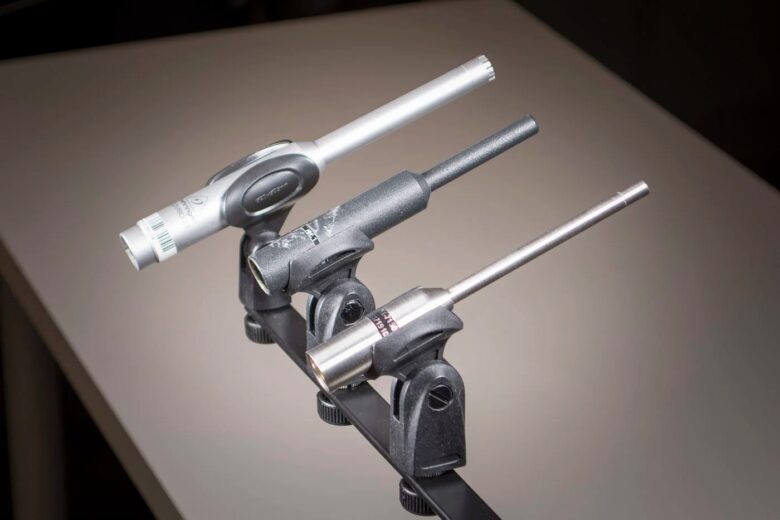
Measurement microphones differ from standard audio recording microphones in several important ways.
They are engineered to have an extremely flat frequency response, meaning they do not colour the sound or enhance specific frequencies.
This neutrality is essential when the task is to capture sound exactly as it exists in the environment.
Such microphones are often used in sound power testing, environmental noise surveys, product development, and building acoustics.
In each of these scenarios, the accuracy of the microphone affects the reliability of the data.
A small deviation in sensitivity or stability can produce misleading results, especially in professional or regulatory contexts where compliance with standards is required.
Characteristics That Define Precision
Several characteristics define a high quality measurement microphone. These include frequency response, dynamic range, sensitivity, temperature stability, and long term reliability.
The materials used in the diaphragm and body of the microphone contribute significantly to these attributes.
The diaphragm is typically constructed from metal, often nickel alloy or titanium, selected for its rigidity and durability.
This allows it to vibrate consistently even when exposed to varying sound pressure levels.
The body of the microphone also plays a role in ensuring mechanical stability and shielding the internal components from electrical or atmospheric interference.
Another important factor is compatibility with preamplifiers.
Many measurement microphones follow industry standard configurations to ensure they can be paired with different preamp models, enabling integration with existing measurement systems.
The Role of the CRY3213 in Acoustic Work
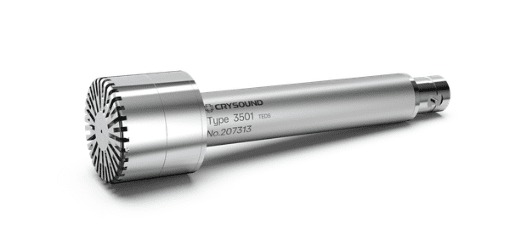
The Crysound CRY3213 measurement microphone is used in a variety of sound measurement tasks that require a stable, calibrated input device.
It is often chosen for research environments, laboratory settings, and field based noise monitoring where accurate results are essential.
Its construction supports consistent performance across a wide frequency range, allowing users to investigate both low and high frequency phenomena without introducing unintended bias.
For those who require specific technical details or wish to examine the product directly, the term Crysound CRY3213 measurement microphone provides a useful reference point for further reading.
The model is designed for use in measurement systems that rely on precise sound capture, making it suitable for both continuous monitoring and controlled testing.
Applications in Industry and Research
One of the most common uses for microphones of this type is environmental noise assessment.
This can include roadside monitoring, aircraft noise analysis, factory noise compliance checks, and general environmental impact studies.
In such cases, the microphone must not only capture sound accurately but also withstand outdoor conditions such as temperature shifts and humidity.
Another significant application is sound power testing.
Manufacturers of household appliances, industrial machinery, and consumer electronics often need to quantify the amount of noise their products emit.
A stable measurement microphone helps ensure that tests performed today will remain comparable to tests performed in the future.
In research settings, microphones like the CRY3213 allow specialists to study complex acoustic behaviours.
This might include reverberation analysis, room acoustics optimisation, or investigations into how sound interacts with new materials.
Universities and research laboratories often maintain a collection of calibrated microphones for different test configurations.
Calibration and Long Term Stability
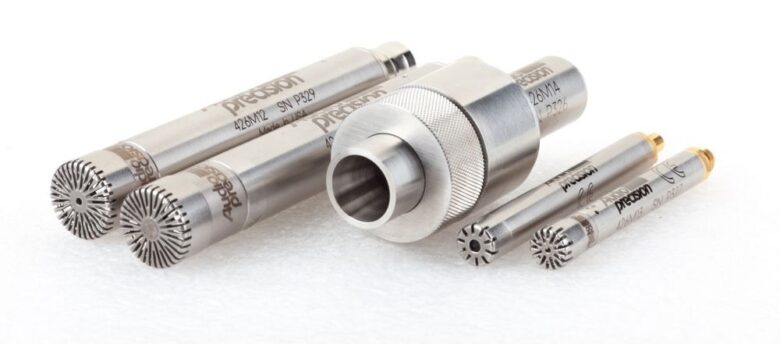
Calibration is central to the reliability of any measurement microphone.
Over time, exposure to sound pressure, temperature, and general environmental conditions can affect sensitivity.
Periodic calibration ensures that readings remain accurate and traceable to recognised standards.
Most laboratories follow annual or biannual calibration schedules to maintain consistency.
The CRY3213 and similar models are designed with long term stability in mind, using materials that resist wear and maintain their performance characteristics.
This reduces drift and minimises the frequency of recalibration, although routine checks remain essential in any professional measurement programme.
Summary
Measurement microphones play a crucial role in acquiring precise acoustic data across a range of industries and research fields.
Their design prioritises accuracy, stability, and compatibility with measurement systems.
The Crysound CRY3213 measurement microphone is one such instrument used for tasks that demand reliability and repeatable results.
Whether applied in environmental monitoring, product testing, or academic research, a dependable measurement microphone remains fundamental to capturing meaningful and trustworthy acoustic information.