
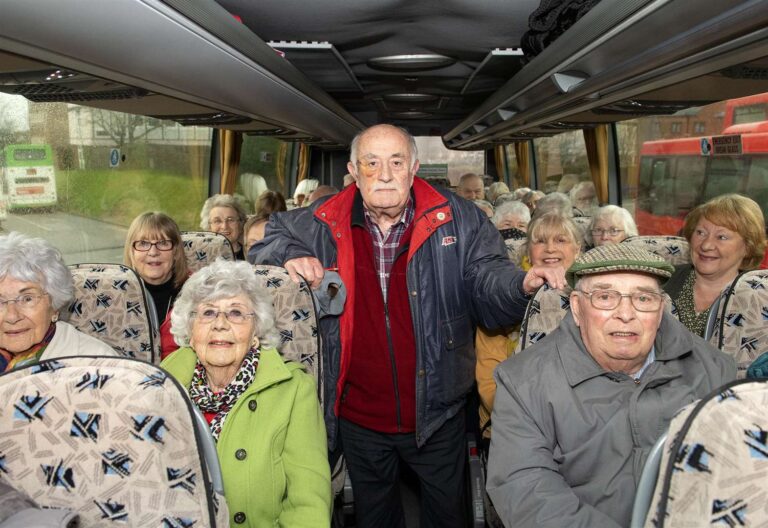
Coach holidays have long been a familiar way to travel, offering a form of group journeying that blends organisation, comfort and shared experience. Many people choose this style of travel because it removes the complexity of arranging several parts of a trip individually. Instead of booking multiple forms of transport, coordinating accommodation or managing detailed itineraries, travellers join a planned route that allows them to focus on the journey itself. Understanding what coach holidays involve can help travellers decide whether this style of travel suits their pace, expectations and preferred way of exploring different places.
How Coach Holidays Are Structured

A coach holiday usually begins with a designated pickup point. Travellers meet at an arranged time, board a scheduled vehicle and start their journey with the reassurance that the practical elements have already been organised. Coaches are designed to carry larger groups, which means that luggage, seating, rest breaks and timings follow a structure. This structure provides predictability, something many people find useful when travelling longer distances or visiting unfamiliar regions.
Itineraries vary from shorter breaks to extended tours. Some focus on a single region, while others move between several locations. Accommodation is arranged in advance, and travellers usually stay in pre-selected hotels or guest houses. The travel company determines the route and timing, which means travellers do not have to manage navigation or find places to stay. This suits people who prefer a clear plan rather than independent travel that requires constant decision making.
The Social Aspect of Group Travel
Travelling by coach often brings a strong social element. The shared experience of being on the same route, visiting the same places and spending time together naturally leads to interaction. This can make the journey more enjoyable for those who welcome company or prefer to travel with others rather than alone. Over the course of several days, travellers may build familiarity and form connections, especially when itineraries include group meals, guided visits or shared activities.
However, social interaction is not a requirement. People who prefer quiet time can enjoy the privacy of their seat, the passing scenery and the structure of the itinerary without the need for extensive conversation. Coach holidays allow for both approaches because the environment is shared yet flexible enough to cater to different personalities.
Practical Benefits of Coach Travel
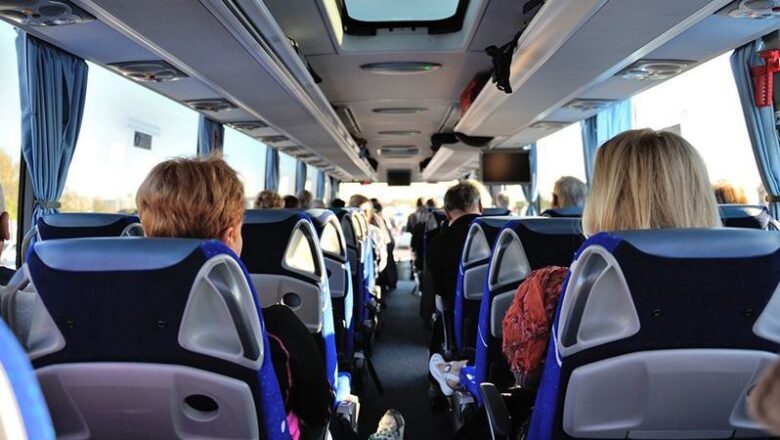
One of the practical advantages of coach travel is the reduction of logistical pressure. Drivers are trained to manage long distance routes safely, and the vehicle itself is maintained to a standard that supports consistent travel. This can be reassuring for those who prefer not to drive long distances or who find public transport connections difficult to manage. Rest stops are built into the timetable, which helps maintain comfort and rhythm throughout each day.
Another element that travellers often appreciate is predictability in cost. Because travel and accommodation are arranged in advance, there is less uncertainty about additional expenses. Meals and excursions may also be organised, although this varies between different itineraries. The result is a structured budget that allows travellers to focus on the experience rather than on managing unexpected costs.
Experiencing Destinations Through Planned Itineraries
Coach holidays typically include visits to landmarks, towns, countryside areas or cultural sites. These visits are arranged to allow enough time for exploration without the need for travellers to organise their own transport or directions. Guided tours may be part of the experience, offering context or information about each destination. This approach can help travellers gain a deeper understanding of a place, especially if they are unfamiliar with the region or its history.
There is usually time built in for independent exploration as well. Travellers may have opportunities to walk around towns, visit cafes or shops, enjoy local scenery or take photographs. The combination of planned structure and independent time helps create balance throughout the journey.
Who Coach Holidays Suit
Coach holidays suit a variety of travellers. They can appeal to individuals who enjoy structured travel, to those who prefer company, and to people who find the planning of independent trips overwhelming. They also suit travellers who value having a professional driver, a clear route and gradually paced movement between destinations. Because coach travel does not rely on individuals to drive or organise navigation, it can support people who want to relax and observe rather than manage.
Families, retired travellers, solo travellers and friends often choose this form of travel for different reasons. Some enjoy the simplicity of planning, others value the social aspect, and some simply prefer being guided through several destinations without the need to manage multiple transitions.
An Example of Coach Holiday Options
For travellers exploring different types of organised journeys, the term coach holidays illustrates how planned routes, scheduled itineraries and organised travel can shape the experience. Such examples reflect the broader landscape of coach travel, where structured planning supports smoother journeys.
A Steady and Reflective Way to Travel
Coach holidays remain a steady alternative to fast paced travel. They provide time to appreciate landscapes, learn about destinations and progress through a route without the haste that often accompanies modern transport. By combining structure with opportunities for personal exploration, they offer a method of travel that suits those who value a considered pace, shared experience and logistical simplicity.