

Understanding how to make a health insurance claim is essential for ensuring you receive the full benefits of your private medical cover. Whether you are claiming for diagnostics, outpatient treatment or surgery, knowing the correct steps helps avoid delays and ensures your treatment is authorised quickly.
This guide explains the full claims process, common requirements, typical pitfalls and how to make your claim run smoothly. For a step by step breakdown, visit: how to make a health insurance claim.
When Should You Make a Claim?
You should begin the claims process whenever you require private medical treatment that is covered by your policy. This may include:
- Specialist consultations
- Diagnostic tests such as MRI, CT or X rays
- Outpatient appointments
- Day patient procedures
- Inpatient surgery
- Mental health treatment
- Physiotherapy or therapeutic support (depending on your cover)
If you are unsure whether a treatment is included, your insurer can confirm this before you proceed.
Step One: Visit a GP or Use a Virtual GP

Most insurers require a referral from a GP before authorising treatment. You can visit your NHS GP or, if your policy includes it, a virtual GP service. A virtual GP is often the quickest route, as appointments are usually available the same day.
Your GP will assess your symptoms and may refer you to a specialist or request diagnostic tests. Once you have a referral, you can begin the authorisation process.
Step Two: Contact Your Insurer
Before booking any private appointment, you must contact your insurer. They will ask for details including:
- Your membership number
- GP referral letter or symptoms
- The type of treatment required
- The specialist or hospital you wish to use
The insurer will then confirm whether the treatment is covered under your policy. If it is, they will provide an authorisation code.
This code is essential, as it allows the hospital or consultant to bill the insurer directly.
Step Three: Book Your Appointment

Once you receive authorisation, you can arrange your appointment with the approved specialist or hospital. Many insurers offer guided pathways in which they recommend a list of consultants. This can simplify the process and ensure you choose a consultant within your policy limits.
If your plan includes a specific hospital list, make sure your treatment takes place within this network. Using an out of network facility may leave you responsible for part or all of the cost.
Step Four: Attend Your Treatment
When you attend your consultation or treatment, provide your authorisation code and insurance details. The medical provider will manage the billing directly with the insurer. If an excess applies, you may receive a bill for this portion, which must be paid directly to the hospital or consultant.
Step Five: Follow Up Care
Some treatments require follow up appointments, further diagnostics or rehabilitation. Depending on your policy, these may also be covered but may require separate authorisation. Always check with your insurer before proceeding with additional treatment to avoid unexpected expenses.
What If Your Claim Is Not Approved?
Claims may be declined for several reasons:
Exclusions
If the treatment falls under a policy exclusion such as chronic conditions, routine pregnancy or cosmetic procedures, the insurer will not approve the claim.
Pre Existing Conditions
If a condition is deemed pre-existing and not eligible for cover, your claim may be rejected or partially approved, depending on your underwriting type.
Incorrect Information
Missing details, incorrect referral information, or booking without prior authorisation can result in a declined claim.
If you believe your claim was unfairly denied, you can request a review or appeal. Providing additional medical information often helps clarify your eligibility.
Tips for a Smooth Claims Process

Understand Your Policy
Carefully review your policy documents so you know what is covered and any limitations that may apply.
Keep Records
Maintain copies of:
- GP referrals
- Appointment confirmations
- Receipts for excess payments
- Treatment summaries
These may be needed for reference or for appeals.
Contact Your Insurer Early
Do not wait until after treatment. Authorisation must always be obtained in advance.
Use Approved Specialists
Ensure your consultant and hospital fall within your insurer’s recognised network.
Ask Questions
If a treatment, test or referral is unclear, ask your insurer for clarification. This helps prevent issues later.
Why Understanding the Claims Process Matters
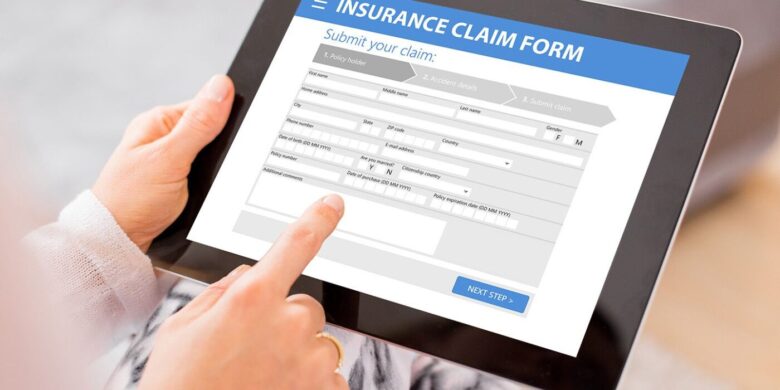
Knowing how to make a claim ensures:
- Faster access to private treatment
- Fewer unexpected bills
- Greater confidence in navigating your policy
- A more positive healthcare experience
Private health insurance is designed to reduce stress, and understanding the claims process helps you take full advantage of your benefits.
Conclusion
Making a health insurance claim is a straightforward process when you know the required steps. From obtaining a GP referral to securing authorisation and attending your appointment, understanding the process ensures you receive timely, hassle free medical support. For a detailed step by step guide, visit: how to make a health insurance claim.