
Storage solutions play an important role in how homes and businesses function on a day to day basis. As spaces become more compact and multifunctional, the need for efficient storage has increased. Effective storage is not only about containing items, but also about improving accessibility, organisation, and overall usability of a space.
From domestic environments to commercial and industrial settings, storage systems are selected based on load requirements, available space, and how frequently items need to be accessed.
Storage Solutions in Residential Settings
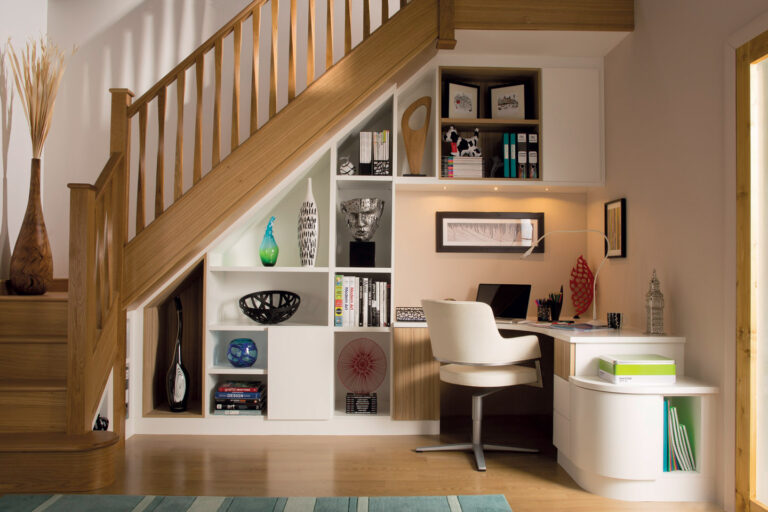
In the home, storage is often required to balance practicality with appearance. Common storage challenges include limited space, changing needs, and the desire to keep living areas uncluttered. Solutions such as built-in cupboards, modular units, and under-stair storage are frequently used to maximise available space.
Kitchens, bedrooms, and utility areas typically require different approaches. Kitchen storage prioritises accessibility and hygiene, while bedroom storage often focuses on flexibility and aesthetics. Utility rooms and garages, by contrast, are more likely to prioritise durability and load capacity.
Commercial Storage Requirements
Businesses generally have more demanding storage requirements than residential users. Offices need systems for documents, equipment, and supplies, while retail and warehouse environments must accommodate stock management and efficient workflows.
Commercial storage solutions are often selected with scalability in mind. As businesses grow or change, storage systems need to adapt without requiring complete replacement. This is particularly relevant in environments where space is limited or where layouts change frequently.
Modular and Adjustable Storage Systems
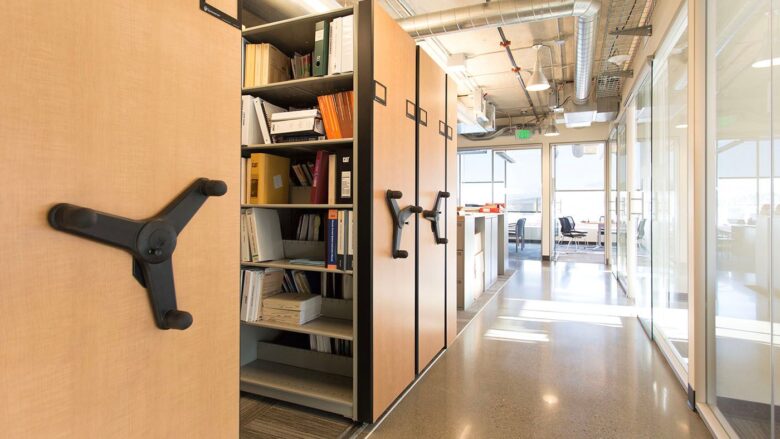
One of the defining trends in storage design is modularity. Modular systems allow components to be reconfigured, expanded, or relocated as requirements change. Adjustable shelving, movable units, and stackable systems provide flexibility across a wide range of applications.
This adaptability reduces long-term costs and helps ensure that storage solutions remain useful even as needs evolve. Modular systems are commonly used in offices, workshops, and retail back-of-house areas where layouts are regularly reviewed.
Materials Used in Storage Systems
The choice of material plays a significant role in determining the suitability of a storage solution. Wood is commonly used in domestic settings due to its appearance and versatility. Metal is often preferred in commercial and industrial environments because of its strength and durability.
Plastic storage solutions are also widely used, particularly where moisture resistance and ease of cleaning are important. Each material offers different advantages, and selection depends on factors such as load capacity, environment, and maintenance requirements.
The Role of Open Storage
Open storage has become increasingly popular, particularly in environments where visibility and access are important. Open shelving systems allow users to see contents at a glance, reducing time spent searching for items.
In commercial settings, open storage supports efficiency and inventory management. In domestic spaces, it is often used to store frequently accessed items or to display objects in a practical way.
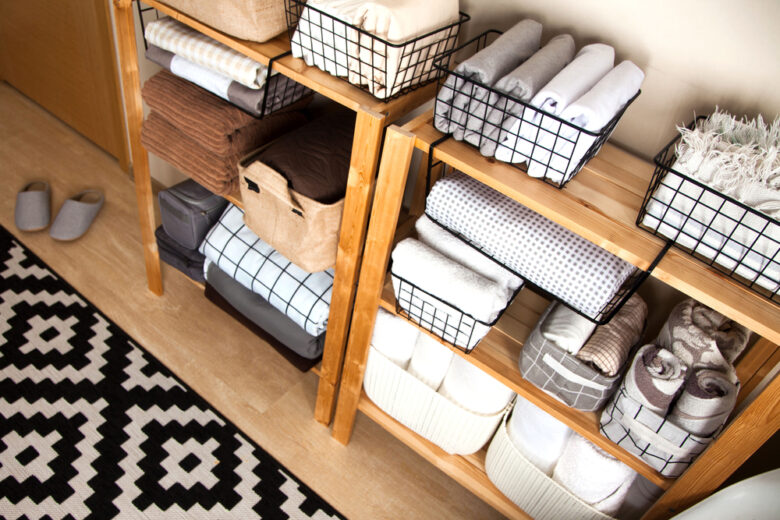
Within this category, wire shelving is commonly used due to its open structure, strength, and airflow. These characteristics make it suitable for environments where cleanliness, ventilation, and visibility are important, such as storage rooms, kitchens, and commercial facilities.
Storage Solutions for Specialist Environments
Certain environments require more specialised storage systems. Laboratories, healthcare facilities, and food preparation areas must meet specific hygiene and safety standards. Storage in these settings is often designed to be easy to clean, resistant to corrosion, and compliant with regulations.
Workshops and industrial settings may require heavy-duty storage capable of supporting tools, components, or materials with higher weight loads. In these cases, structural integrity and stability are key considerations.
Organisational Benefits of Effective Storage
Well-planned storage solutions contribute to improved organisation and productivity. Clear systems reduce clutter, minimise wasted space, and make it easier to maintain order. In businesses, this can support efficiency and reduce time spent locating equipment or stock.
In homes, effective storage can improve comfort and usability, helping spaces feel more open and manageable. The benefits extend beyond appearance, influencing how spaces are used on a daily basis.
Storage as a Long-Term Consideration
Selecting a storage solution is often a long-term decision. Systems that are durable, adaptable, and suited to their environment are more likely to remain effective over time. Regular review and reorganisation can also help ensure that storage continues to meet changing needs.
By considering purpose, material, and flexibility, users can implement storage solutions that support both current and future requirements without unnecessary complexity.