
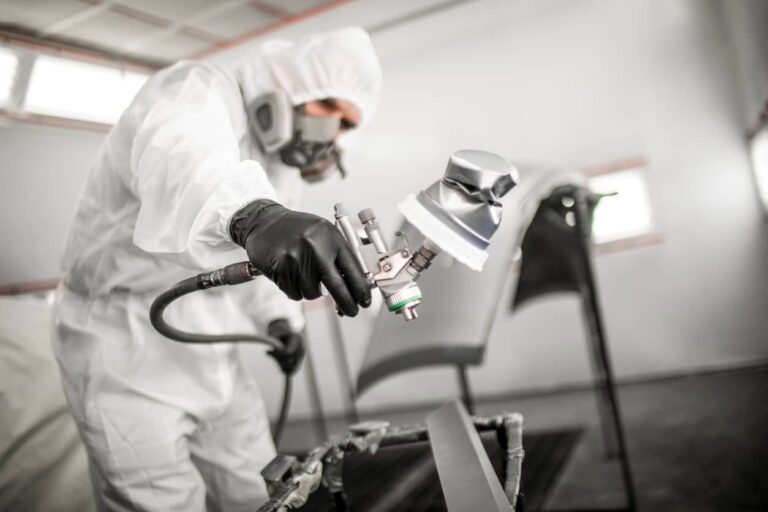
Powder coating has become one of the most widely used finishing methods for metal components because it provides a durable, attractive and long-lasting surface. As industries continue to look for reliable and environmentally conscious finishing solutions, the expertise of a powder coating specialist has grown in importance.
Whether for industrial fabrications, architectural structures, machinery components or decorative metalwork, the quality of the finish often depends on the skill and processes of the specialist applying it. Exploring what these specialists do helps clarify why their work is valued across so many sectors.
What Powder Coating Involves
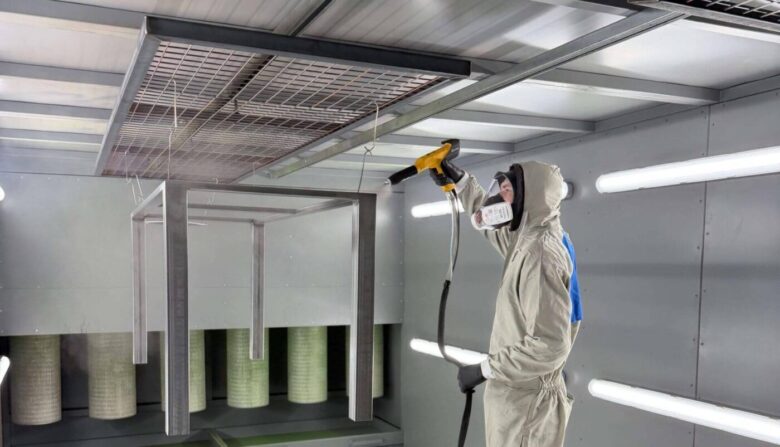
Powder coating is a dry finishing process. Instead of using liquid paint, the coating is applied in powder form using electrostatic equipment. Once the powder has adhered to the surface, the coated item is moved into a curing oven, where heat melts and fuses the particles into a smooth, solid layer. This produces a finish that is harder and more resilient than most wet paint coatings.
The process requires several structured steps. First, the metal must be thoroughly prepared. Any dirt, oil, rust, or remnants of previous coatings must be removed to ensure good adhesion. This preparation may involve cleaning, abrasive blasting or chemical stripping depending on the condition and type of metal. Only once the surface is fully prepared can the coating be applied evenly and reliably.
During application, a specialist uses electrostatic spraying equipment to ensure consistent coverage, even on complex shapes or recessed areas. Because powder is drawn to the metal by electrostatic charge, it clings uniformly without running or streaking. The specialist must control airflow, spray distance, powder density and environmental conditions to achieve a high-quality finish. Once coated, the item is cured at a controlled temperature to ensure adhesion, durability and colour consistency.
Why Expertise Matters
Although powder coating is known for its durability, poor technique can lead to issues such as bubbling, peeling, uneven thickness or weak adhesion. These problems usually stem from incorrect surface preparation, improper powder application or incorrect curing temperatures. A powder coating specialist understands how to avoid these issues, drawing on experience with different metals, powders, preparation methods and curing cycles.
Different projects require different types of powder. Specialists must choose between polyester, epoxy, hybrid or textured powders depending on whether the coated item will face outdoor exposure, chemical contact, heavy wear or decorative use. Colour accuracy is another area where expertise matters, especially for architectural or design-led projects where precise tones and finishes are required.
Industries That Rely on Powder Coating Expertise
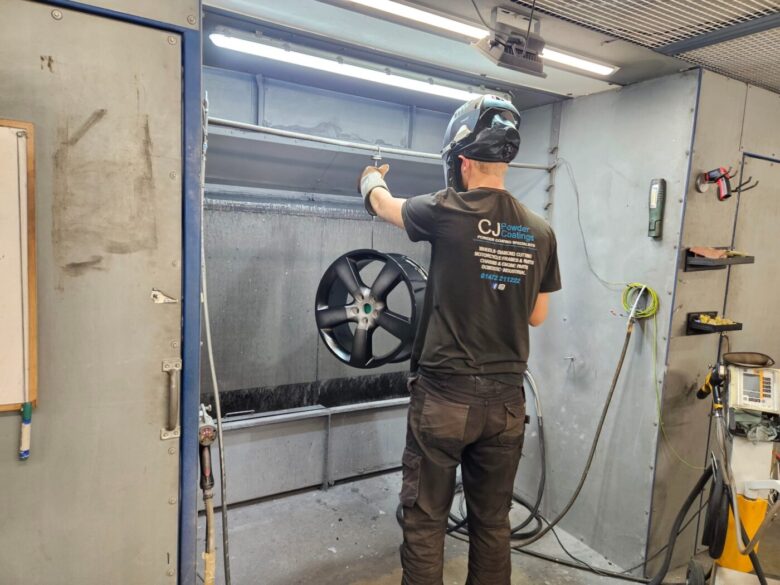
Powder coating is used across a wide range of sectors. Industrial manufacturers rely on it for machine parts, brackets, frames, racking and components that need durability and resistance to corrosion. Architectural firms use powder coating for railings, gates, window frames, balustrades and structural fittings, as the coating offers strong weather resistance. Automotive applications include alloy wheels, chassis parts and accessories that benefit from the protective layer.
In addition, furniture designers, artists and fabricators often choose powder coating for its aesthetic versatility. It offers a large range of colours, textures and finishes, from matt and satin to gloss, metallic and even speckled or rough-textured effects. Because powder coats resist fading and chipping, the finish remains attractive for much longer than traditional paint.
The Benefits of Using a Powder Coating Specialist
One of the main advantages of using a specialist is consistency. The quality of the finish depends on controlling several variables, from preparation to application to curing. Specialists ensure these stages are completed correctly each time, reducing the likelihood of defects and ensuring the coating’s longevity.
Another benefit is durability. Powder coating provides strong protection against use, chemicals and weather. For outdoor metalwork, this can significantly extend the lifespan of components, reducing maintenance and replacement costs.
Environmental considerations also play a role. Powder coating contains no solvents and releases virtually no harmful emissions, making it suitable for organisations that prioritise sustainable practices. Overspray can often be collected and reused, reducing waste. A specialist ensures the process is handled efficiently and safely.
Choosing a Trusted Powder Coating Specialist
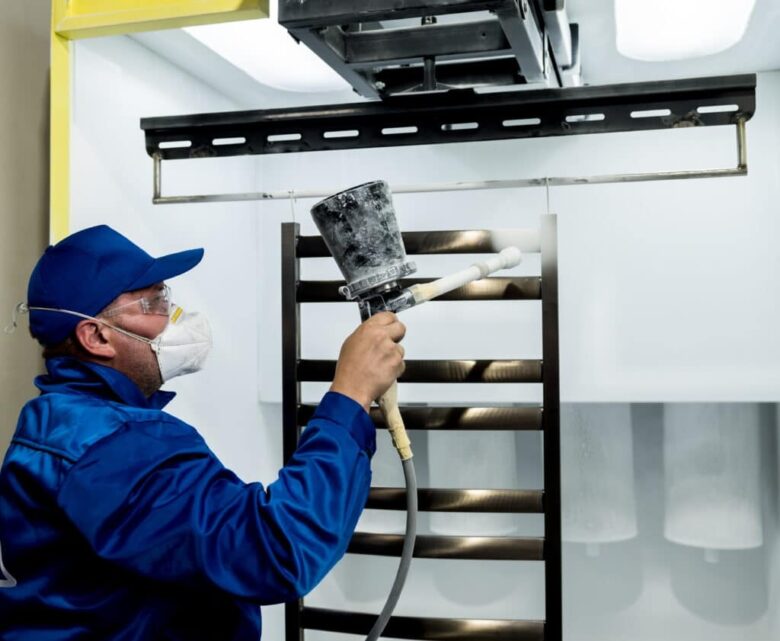
Selecting the right specialist depends on understanding the needs of the project. Factors such as the type of metal, expected exposure conditions, required finish and size of the components all influence which specialist is most suitable. Experience, facility capacity, preparation methods, curing equipment and quality control procedures are important considerations.
For those researching options, a service such as a powder coating specialist provides an example of the type of expertise and structured approach expected from a professional finishing provider.
A Reliable Finishing Method for Modern Applications
Powder coating continues to be chosen for its combination of strength, visual appeal and long-term resilience. As industries move towards durable and environmentally responsible finishing methods, the role of a powder coating specialist remains essential.
Through skilled preparation, accurate application and precise curing, specialists create finishes that support both functional performance and aesthetic quality across a wide range of metalworking projects.