
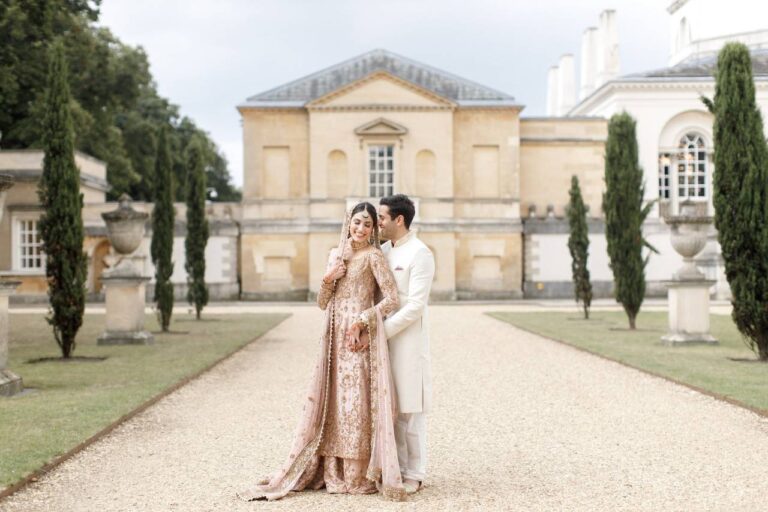
Multicultural weddings reflect the diversity of modern society, bringing together traditions, customs, and values from different cultural backgrounds. In the UK, these weddings are increasingly common, shaped by families who wish to honour heritage while also embracing contemporary approaches to celebration.
Rather than following a single format, multicultural weddings are often carefully planned to ensure that all cultures involved are respected and meaningfully represented.
These events tend to be rich in symbolism, ritual, and community involvement. They may span multiple days, include several ceremonies, or combine religious and cultural elements into a single celebration. As a result, planning requires sensitivity, communication, and a clear understanding of expectations on all sides.
Cultural Traditions and Ceremonial Structure
One of the defining features of multicultural weddings is the variety of ceremonial practices involved. Some cultures place strong emphasis on religious rites, while others focus more on family-led traditions or symbolic gestures. In many cases, couples choose to incorporate more than one ceremony to reflect their backgrounds.
For example, a wedding may include both a religious ceremony and a civil ceremony, or a traditional cultural ritual followed by a modern reception. Timing, order, and setting are important considerations, as each element may carry specific requirements regarding space, attire, or participation.
Attire, Colour, and Symbolism
Clothing plays a significant role in multicultural weddings. Traditional attire often carries deep cultural meaning, with colours, fabrics, and designs chosen for symbolic reasons. In some cultures, multiple outfit changes are customary, reflecting different stages of the celebration.
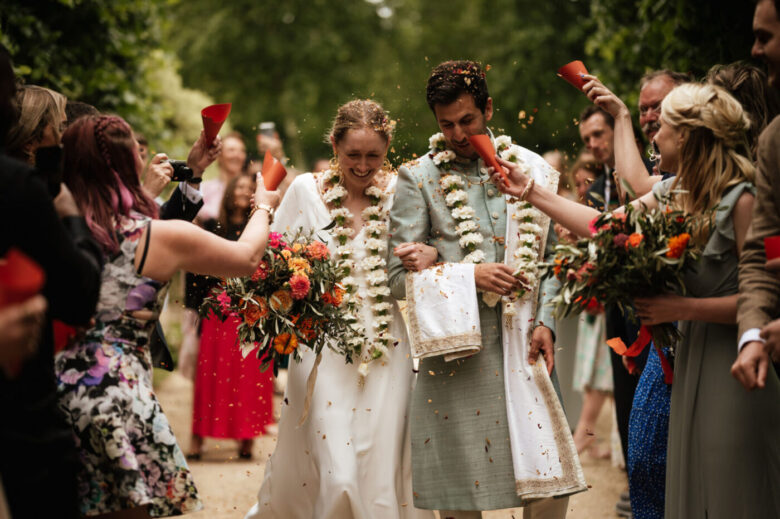
Colour symbolism varies widely. While white is commonly associated with weddings in Western traditions, other cultures favour red, gold, or vibrant combinations that represent prosperity, joy, or new beginnings. Understanding these differences is essential when planning décor, floral arrangements, and overall visual themes.
Food and Hospitality Considerations
Catering is another important aspect of multicultural weddings. Food often reflects cultural identity and family tradition, making it a central part of the celebration. Menus may need to accommodate religious or cultural dietary requirements, such as halal, vegetarian, or vegan options.
In some cases, weddings feature multiple cuisines served at different stages of the event. This approach allows guests to experience a range of cultural influences while ensuring inclusivity. Careful coordination between caterers and planners helps maintain quality and authenticity.
Music, Dance, and Entertainment
Music and dance are key elements in many multicultural weddings, serving both celebratory and ceremonial purposes. Traditional music may be performed live or played during specific rituals, while contemporary music is often included during receptions.
Dance styles can vary significantly between cultures, and some weddings include formal performances alongside informal social dancing. These elements contribute to the atmosphere and provide opportunities for guests from different backgrounds to participate and engage.
Venue Requirements for Multicultural Weddings
Choosing a suitable venue is particularly important for multicultural weddings due to their complex requirements. Space, flexibility, and accessibility all play a role. Venues may need to accommodate multiple ceremonies, large guest numbers, or specific setup arrangements.
Facilities such as separate preparation areas, adaptable indoor and outdoor spaces, and allowances for extended event durations can be significant factors. In regional searches, couples may look for an Asian wedding venue in Surrey when seeking locations capable of supporting culturally specific ceremonies alongside broader wedding celebrations.
Family and Community Involvement
Family involvement is often more pronounced in multicultural weddings. Elders may play a key role in decision making, ceremonial duties, or negotiations around traditions. This collective approach can strengthen family bonds but may also require careful coordination to manage differing expectations.
Clear communication and mutual respect are essential throughout the planning process. Many couples find it helpful to document agreed elements early on to ensure clarity and reduce misunderstandings.
Legal and Practical Considerations
Alongside cultural elements, legal requirements must also be met. Civil marriage regulations apply regardless of cultural background, and couples may need to coordinate official ceremonies alongside traditional ones. Understanding local requirements helps avoid complications and ensures that all aspects of the wedding are recognised.
Practical considerations such as scheduling, guest accommodation, and transport also become more complex when events span several days or attract guests from different regions or countries.
The Evolving Nature of Multicultural Weddings
Multicultural weddings continue to evolve as couples find new ways to express identity and shared values. Some choose to blend traditions seamlessly, while others prefer to highlight each culture separately. There is no single approach, and flexibility is often key.
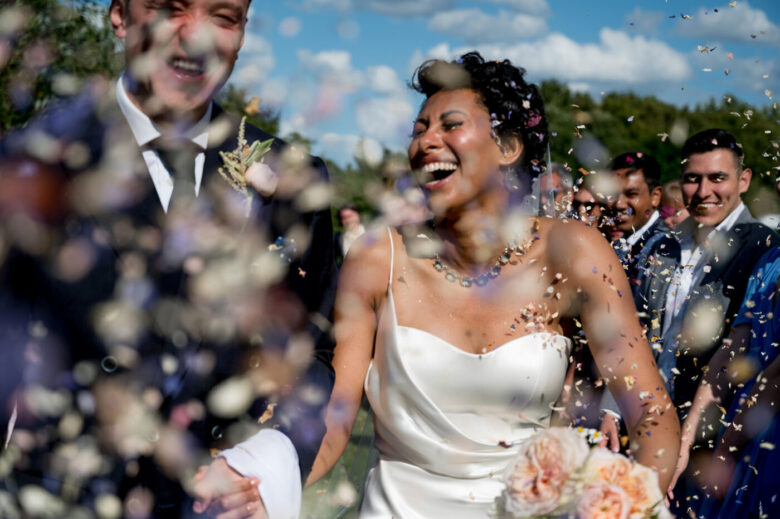
Ultimately, multicultural weddings are defined by their ability to bring people together. By acknowledging and respecting different traditions, these celebrations reflect both personal relationships and the broader diversity of modern society.