
Security cameras have become a common feature in both residential and commercial environments. Advances in technology have made surveillance systems more accessible, reliable, and adaptable to different settings. While the underlying purpose remains the same, to monitor activity and provide recorded evidence, the way cameras are used and configured can vary significantly between homes and businesses.
Understanding these differences helps clarify why certain systems are suited to one environment more than the other.
Security Cameras in Residential Properties
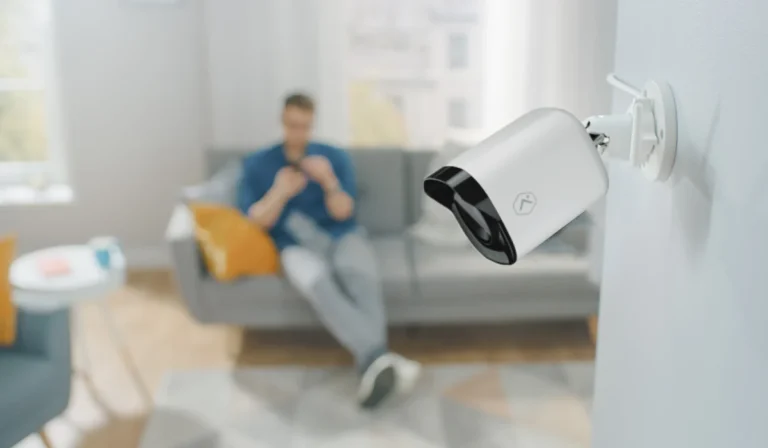
In domestic settings, security cameras are typically used to monitor entrances, driveways, gardens, and internal common areas. Homeowners often prioritise ease of use, discreet installation, and integration with existing smart home systems.
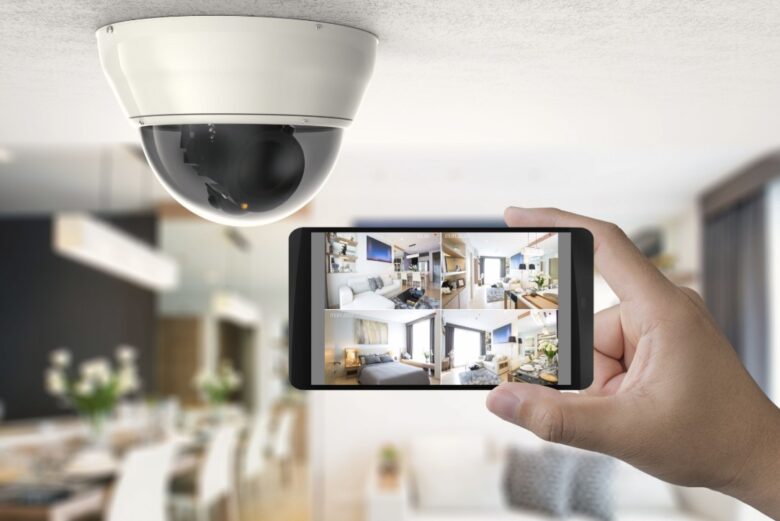
Residential cameras are frequently installed to deter opportunistic crime, monitor parcel deliveries, or provide reassurance when the property is unoccupied. Many systems offer features such as motion detection, mobile notifications, and cloud storage, allowing users to review footage remotely.
Privacy is an important consideration in residential use. Cameras must be positioned to avoid capturing images of neighbouring properties or public spaces unnecessarily. In the UK, data protection guidance applies where cameras record beyond the boundary of the property, requiring clear signage and responsible handling of footage.
Security Cameras in Commercial Environments
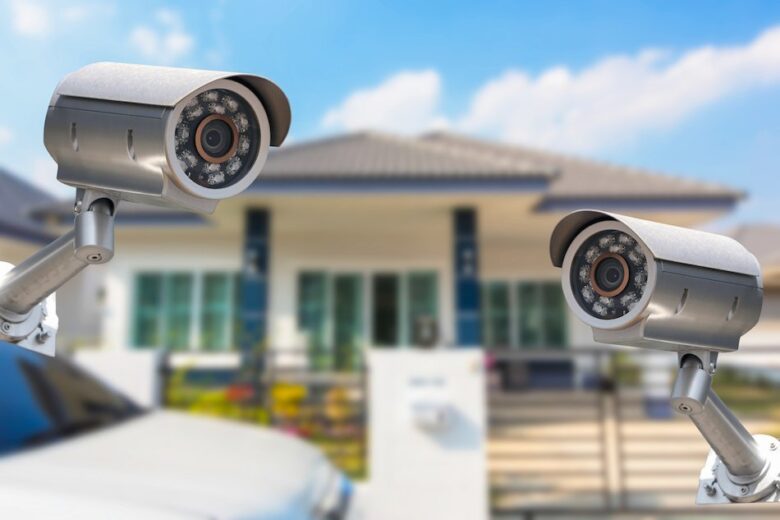
Commercial premises typically have different security requirements. Offices, retail units, warehouses, and industrial sites often need wider coverage, higher image quality, and longer recording periods. Surveillance systems in these environments are commonly part of a broader security strategy that may include access control, alarms, and monitoring services.
A commercial cctv camera is generally designed to operate continuously and reliably under varying conditions. These cameras may offer higher resolution, enhanced low-light performance, and more robust construction compared with domestic alternatives. Their placement is often informed by risk assessments and compliance requirements rather than convenience alone.
Differences in System Design and Scale
One of the key distinctions between home and commercial systems is scale. A residential installation may consist of one or two cameras covering specific areas. In contrast, a business may require multiple cameras positioned to cover entrances, internal spaces, perimeter areas, and points of high value or risk.
Commercial systems are often designed with future expansion in mind. Additional cameras, storage capacity, or analytics features can be added as needs change. This flexibility is important for businesses that grow or modify their premises over time.
Image Quality and Technical Considerations
Image quality is critical in both residential and commercial settings, but the expectations differ. In homes, cameras are often used to confirm events or identify general activity. In commercial environments, footage may need to support investigations or insurance claims, requiring clearer images and reliable timestamps.
Frame rate, resolution, and lens selection all influence the usefulness of recorded footage. Wide-angle lenses may be suitable for monitoring open areas, while narrower fields of view can capture more detail at specific points such as entrances or tills.
Data Storage and Access
Storage methods also vary between residential and commercial use. Home systems often rely on cloud storage with limited retention periods. Commercial installations may use local network video recorders, on-site servers, or hybrid approaches that balance accessibility with data control.
Access to footage in a business context is usually restricted to authorised personnel. Clear policies are often required to define who can view recordings, how long data is retained, and how requests for footage are handled.
Legal and Compliance Considerations
The use of security cameras is subject to legal obligations, particularly in commercial settings. Businesses must comply with UK data protection laws, including the UK GDPR and the Data Protection Act 2018. This includes providing signage, limiting data retention, and ensuring footage is stored securely.
Residential users are also subject to these rules if their cameras capture images beyond their own property. Awareness of these responsibilities is essential to avoid misuse of surveillance systems.
Evolving Uses of Security Camera Technology
Security camera technology continues to evolve, with features such as motion analytics, object detection, and integration with other systems becoming more common. While these developments are often associated with commercial use, some features are increasingly appearing in domestic products.
Despite these advances, the fundamental purpose remains consistent. Security cameras provide visibility, documentation, and a means of reviewing events after they occur. Whether used in a home or business, their effectiveness depends on appropriate selection, careful placement, and responsible operation.
The Practical Role of Security Cameras
Security cameras serve different but overlapping purposes in residential and commercial contexts. Homes often focus on reassurance and convenience, while businesses prioritise coverage, reliability, and compliance.
By understanding these differences, users can make informed decisions about the type of system required and how it should be deployed. This ensures that security cameras function as intended, providing clear and useful information without unnecessary complexity.